
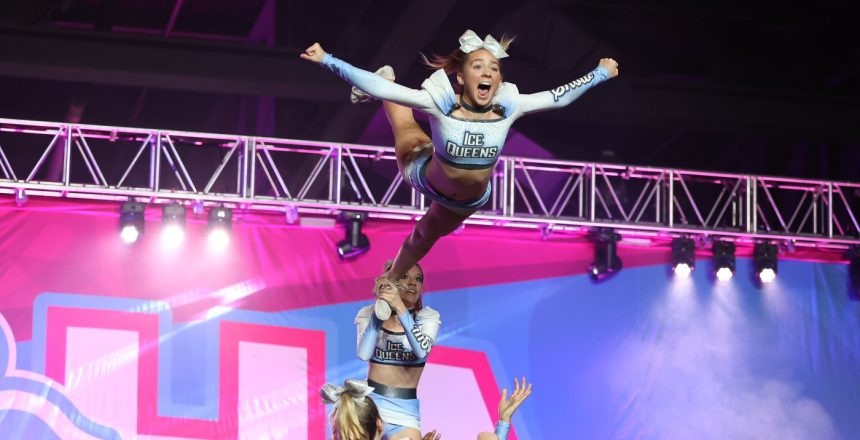
Maybe your child has been turning the living room into a gymnastics floor, practicing cartwheels on the grass, or asking to try the “flips” they saw on a cheer video. Or maybe they are quiet and cautious, and you wonder whether tumbling would help them feel stronger and more confident.
Either way, one question comes up for most parents: is my child actually ready? This guide walks through the physical, emotional, and practical signs that point to readiness, what a good beginner class looks like, and how to find the right fit among tumbling classes in San Diego.
What Are Tumbling Classes?
Tumbling classes teach athletes to move their bodies through the air and across the floor with control. Skills usually start with the basics, such as balance, rolls, bridges, and cartwheels, and progress gradually toward more advanced movements as strength and technique develop.
Tumbling is a foundation skill for many activities. It is a core part of all star cheerleading, where athletes combine tumbling, stunting, dance, and cheer in a competition routine. It also supports gymnastics, dance, and other sports that reward body awareness and coordination.
Because the skills build step by step, a beginner does not need prior experience. What matters more is that the child is interested, able to participate safely, and comfortable learning in a group.
Sign One: Your Child Is Always Moving
Some kids simply cannot sit still. They climb, jump, spin, and roll at every opportunity. That energy is a natural fit for tumbling, because classes give it a structured and safe outlet.
If your child is constantly moving, a class can turn that energy into skill. They learn where their body is in space, how to land safely, and how to control their movements instead of just bursting through them.
Sign Two: They Show Genuine Interest
Interest is one of the best signals. Does your child ask to try tumbling? Do they mimic skills they have seen at a cheer competition, school event, or online video? Do they light up when they talk about flips, jumps, or cheer?
Kids who want to be there tend to stay motivated. A child who is pushed into a class they dislike may lose enthusiasm quickly, while one who chooses it often works harder and enjoys it more.
Sign Three: They Can Follow Directions
Tumbling is a skill-based activity, so listening matters. A child who can follow simple instructions, wait for a turn, and pay attention to a coach is usually ready for a group class.
Look for signs such as:
- Listening when an adult explains a task
- Following a short routine or sequence
- Waiting patiently in a line
- Stopping when asked
If your child struggles with these at first, that does not mean tumbling is off the table. Many beginner classes are designed to teach structure gently. But it helps to know whether your child needs a bit of extra support.
Sign Four: Basic Physical Readiness
A child does not need to be a star athlete, but some basic physical skills make learning easier and safer.
Signs of physical readiness include:
- Walking, running, and jumping with reasonable balance
- Standing on one foot for a short time
- Climbing playground equipment comfortably
- Getting up from the floor without much difficulty
- Using both sides of the body in play
If your child has a medical condition, an injury, or any physical concern, talk with their pediatrician before enrolling. A doctor can advise whether any limits apply and what to share with the coach.
Sign Five: They Handle Correction and Challenge
Learning to tumble means making mistakes. A cartwheel will not be perfect on the first try, and a coach will give corrections. Children who can try again after a stumble, accept feedback, and keep going have a strong foundation for learning.
Do not worry if your child gets frustrated sometimes. That is normal. What matters is whether they can recover and keep trying with some encouragement. A good coach will praise effort, break skills into small steps, and help your child experience steady progress.
Sign Six: They Are Comfortable in a Group Setting
Most tumbling classes take place in small groups. Children practice skills, watch each other, and cheer each other on. If your child can be around other kids, share space, and take turns, they are likely ready for this setting.
Some children are shy at first. A welcoming gym environment can make a big difference, and many shy kids grow noticeably more confident as they master new skills. If your child is nervous, visiting the gym ahead of time or watching a class can help them feel more comfortable.
Sign Seven: They Are Curious About Cheer
If your child loves the idea of cheerleading, tumbling is often the first step. Many athletes in all star cheerleading take separate tumbling classes to build the skills that appear in routines.
You do not need to commit to a competitive team to benefit. Tumbling can be a stand-alone activity or the first stage of a longer path, from recreational cheer to competitive teams. If you are curious about where tumbling can lead, compare programs at different cheer gyms in San Diego to see what is offered.
What a Good Beginner Class Looks Like
Once you decide your child is ready, the next step is choosing a quality program. A strong beginner class will include several things.
- Qualified, patient coaches. Instructors should explain skills clearly, demonstrate them, and give each child attention.
- Safe equipment. Mats and spring floors should be clean, in good condition, and appropriate for the skills being taught.
- Gradual progression. Skills should build step by step, with coaches moving athletes forward when they are ready.
- Appropriate grouping. Children should be grouped by age and ability so everyone can learn comfortably.
- A positive atmosphere. Coaches should encourage effort, celebrate progress, and keep the class fun.
Do not hesitate to ask questions. A reputable gym will gladly explain how classes work, how coaches approach safety, and how athletes advance.
How to Prepare Your Child for the First Class
A little preparation can make the first day smoother.
- Talk about what will happen, so your child knows what to expect
- Dress them in comfortable, flexible clothing that allows free movement
- Pull long hair back and remove jewelry, since loose items can be a safety concern
- Arrive a few minutes early to settle in and meet the coach
- Bring water and encourage your child to rest and eat well beforehand
Most importantly, keep the tone positive. Let your child know that learning takes time and that trying is the goal.
When It May Be Better to Wait
Sometimes the best answer is “not yet.” You may want to wait if your child is very uninterested, extremely anxious about being away from you, or unable to follow even basic group instructions. There is no deadline. Many children thrive when they start a little later, once they are more comfortable with structure.
If you are unsure, a trial visit or a conversation with the coaches can give you a better sense of whether the timing is right.
Finding the Right Gym in San Diego
When you search for all star cheer gyms near me or cheerleading classes San Diego families trust, look beyond the first result. Visit the gym, meet the coaches, and see how athletes are treated.
Pacific Beach Allstars was established in 2017 and offers programs including All Star Rec Cheer, Competitive Cheer, and Tumbling. The gym describes its mission as creating well-rounded athletes through integrity and skill, with a focus on strength, faith, family, and a love of the sport. If you are searching for an all star cheer gym in San Diego or comparing the best all star cheer gym options, you can learn more at pacificbeachallstargyms.com.
Families interested in all star cheer in San Diego may also like the page on why choose cheer, which explains the benefits of the sport.
Conclusion
Readiness for tumbling is less about perfect skills and more about interest, listening, basic physical ability, and a willingness to try. If your child is energetic, curious, able to follow directions, and excited about moving, they may be ready to start.
Choose a program with supportive coaches, safe equipment, and gradual progression, and let your child set the pace. With the right environment, tumbling classes can build strength, coordination, and confidence that carry well beyond the gym. To explore programs and locations, visit Pacific Beach Allstar Gyms.
Frequently Asked Questions
- What age is best to start tumbling classes?
There is no single right age. Readiness depends on the child’s interest, listening skills, and physical ability. Many gyms offer classes grouped by age and skill, so ask what is available for your child. - Does my child need experience before joining tumbling classes in San Diego?
No. Beginner classes are designed for children with no prior experience. Coaches start with the basics and build skills gradually. - Is tumbling safe for children?
Tumbling carries some risk, as with any physical activity, but qualified coaches, proper mats, appropriate grouping, and gradual progression help create a safer environment. If your child has a medical concern, speak with their pediatrician first. - Do I need to join a cheer team to take tumbling classes?
No. Tumbling can be a stand-alone activity. It also helps athletes who later want to join all star cheerleading, since tumbling is a core part of competition routines. - How do I choose the best all star cheer gym for my child?
Visit in person, meet the coaches, and observe a class. Look for experienced and supportive staff, clean and safe facilities, a range of programs, clear communication, and a positive team culture.