
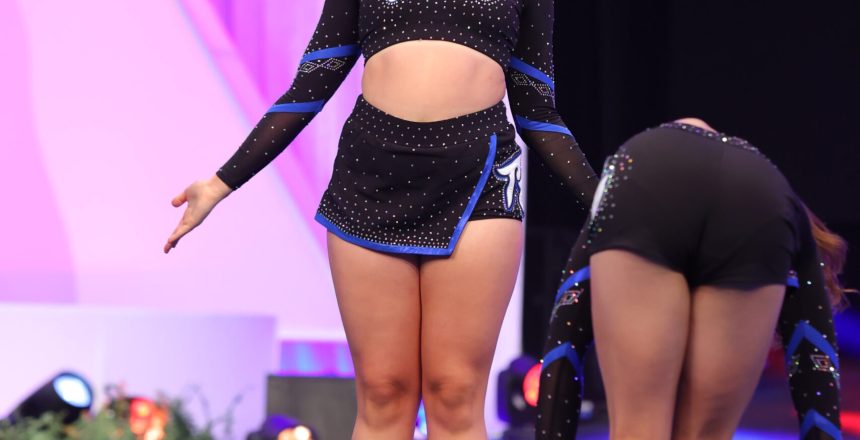
All Star Cheerleading is more than performing exciting routines in front of an audience. It is a demanding team sport that combines strength, flexibility, balance, dance, tumbling, jumps, stunts, timing, and teamwork. Athletes learn how to trust their teammates, follow instructions, handle pressure, and continue improving through regular practice.
For families searching for Cheer Gyms in San Diego, choosing the right training environment is an important first step. A good cheer gym should provide age-appropriate coaching, safe skill progression, supportive instruction, and opportunities for athletes to develop at their own pace.
Whether your child is a beginner or already has experience, All Star Cheerleading can help build athletic ability, confidence, discipline, and lasting friendships. This guide explains what the sport involves, the skills athletes learn, the benefits of training, and how parents can choose the right program.
What Is All Star Cheerleading?
All Star Cheerleading is a competitive team sport that combines gymnastics-based skills, dance, jumps, stunts, pyramids, tumbling, and choreography. Unlike traditional school cheerleading, which often focuses on supporting a school sports team, All Star Cheerleading is primarily centered on performing competitive routines.
Teams are generally organized according to age, experience, and skill level. Athletes practice together to improve their timing, technique, strength, flexibility, and performance quality.
A routine may include several different sections, such as:
- Dance choreography
- Standing tumbling
- Running tumbling
- Jumps
- Partner stunts
- Group stunts
- Pyramids
- Transitions
- Team formations
- Final performance sequences
Every athlete has a role. Some athletes may specialize in flying, while others focus on basing, spotting, tumbling, jumping, or choreography. Successful routines depend on every team member completing their responsibilities safely and consistently.
How All Star Cheerleading Is Different from Traditional Cheer
Many people think all cheerleading programs are the same, but there are important differences between traditional cheer and All Star Cheer.
Traditional school cheerleading is often connected to school events, football games, basketball games, pep rallies, and school spirit activities. School cheerleaders may perform chants, sideline routines, halftime performances, and competition routines.
All Star Cheerleading is usually based around structured competitive training. Teams spend significant time learning routines, improving skills, attending practices, and preparing for competitions.
All Star Cheerleading often places greater emphasis on:
- Advanced tumbling
- Stunting technique
- Choreography
- Routine difficulty
- Synchronization
- Performance quality
- Competition preparation
- Team consistency
This does not mean one style is better than the other. They simply have different goals and training structures. Families looking for an all star cheer gym should understand that the program may involve regular practice, team commitments, travel, and competition expenses.
Important Skills Athletes Learn
All Star Cheerleading requires several different athletic skills. Athletes usually develop these abilities gradually through structured training.
Tumbling Skills
Tumbling is one of the most recognizable parts of cheerleading. It includes movements performed on the floor, such as rolls, cartwheels, round-offs, walkovers, handsprings, and advanced tumbling passes.
Beginners may start with body control, balance, hand placement, and basic movement patterns. As their strength and confidence improve, they may progress to more advanced skills under qualified coaching.
Athletes searching for tumbling classes San Diego should look for programs that teach skills through proper progressions. Coaches should assess each athlete’s ability instead of rushing students into difficult movements.
Jumps
Cheerleading jumps require flexibility, leg strength, core control, timing, and body awareness. Common jumps may include toe touches, pike jumps, hurdler jumps, and front hurdler variations.
Good jump technique involves more than getting the legs high. Athletes must also focus on posture, arm placement, pointed toes, controlled landings, and safe recovery.
Regular stretching and strength training can help improve jump performance over time.
Stunts
Stunts involve athletes working together to lift, support, or balance one or more teammates. Stunting requires communication, trust, coordination, and strong technique.
Different roles may include:
- Flyer
- Base
- Back spot
- Front spot
- Additional support positions
Every role is important. Bases need strength and timing, flyers need balance and body control, and spotters need awareness and safe support techniques.
Stunts should always be taught under qualified supervision with appropriate mats and safety procedures.
Dance and Choreography
Dance adds rhythm, expression, and performance quality to a cheer routine. Athletes learn how to move together, follow music, transition between formations, and maintain energy throughout the routine.
Dance training can improve coordination, musical timing, flexibility, body control, and confidence. It also helps athletes present a routine with expression rather than simply completing the technical movements.
Strength and Flexibility
Cheerleading requires strength in the legs, arms, shoulders, back, and core. Flexibility is also important for jumps, body positions, tumbling, and stunts.
Strength and flexibility training should be age-appropriate. Young athletes should focus on technique, body control, mobility, and gradual development rather than heavy training or excessive stretching.
Benefits of All Star Cheerleading
All Star Cheerleading offers benefits that extend beyond the gym. Athletes learn physical skills, but they also develop personal habits and social abilities.
Improved Physical Fitness
Cheerleading involves repeated movement, jumps, tumbling, stunts, dance, and conditioning. Regular training can support cardiovascular fitness, muscular endurance, flexibility, balance, coordination, and body awareness.
Because routines require athletes to move quickly and accurately, cheerleading also develops reaction time and control.
Confidence and Self-Expression
Learning a new skill can be challenging. When athletes finally perform a movement they have practiced for weeks or months, they often experience a strong sense of achievement.
Performing in front of coaches, teammates, judges, and audiences can also help athletes become more comfortable in public situations. They learn how to manage nervousness, stay focused, and present themselves with confidence.
Teamwork and Communication
All Star Cheerleading is a team sport. Athletes must communicate clearly and support one another during practices and performances.
A stunt cannot be successful if one person ignores the timing or instructions of the group. Athletes learn that individual effort affects the entire team.
These lessons can also be useful in school, work, friendships, and other activities.
Discipline and Time Management
Cheerleading requires regular attendance, practice, preparation, and responsibility. Athletes may need to balance schoolwork, family commitments, training, competitions, and rest.
This teaches young athletes how to organize their time and work toward long-term goals.
Friendships and Community
A cheer team often becomes an important social group for athletes. Students train together, face challenges together, travel to events, and celebrate progress.
A positive gym environment can help children feel included and supported. Parents should look for a program where coaches encourage teamwork instead of creating unnecessary pressure or unhealthy competition between teammates.
Choosing the Best All Star Cheer Gym
Parents searching for the best all star cheer gym should consider more than location or advertising. The right gym should match the athlete’s age, experience, goals, schedule, and comfort level.
Experienced and Supportive Coaches
Coaches should understand cheerleading technique, athlete development, safety, and age-appropriate instruction. They should be able to explain skills clearly and provide helpful feedback.
A good coach should also encourage athletes when they struggle. Learning cheerleading takes time, and students progress at different speeds.
A Strong Safety Culture
Safety should be a major priority in every cheer program. Parents should observe whether the gym uses suitable mats, proper spotting techniques, warm-ups, and controlled progressions.
Athletes should not be pressured to perform skills they are not ready to attempt. Coaches should explain how skills are developed and when an athlete is prepared to move forward.
Programs for Different Skill Levels
A beginner may need a different class from an experienced competitor. Some gyms offer introductory teams, recreational classes, competitive teams, tumbling sessions, private lessons, or skill-specific training.
A program with different levels can help athletes progress without feeling overwhelmed.
Clear Communication with Parents
Parents should receive clear information about:
- Practice schedules
- Tuition and fees
- Competition costs
- Uniform requirements
- Travel expectations
- Team placement
- Attendance policies
- Training goals
- Communication procedures
Before joining, ask questions and make sure the program fits your family’s schedule and budget.
All Star Cheer in San Diego
Families searching for all star cheer in San Diego have several factors to consider before selecting a gym. San Diego includes many communities, so travel time can affect practice attendance and family routines.
Parents should consider the gym’s location, class schedule, coaching style, training options, and team structure. A convenient location is helpful, but it should be balanced with program quality and the athlete’s needs.
Pacific Beach All Star Gyms provides competitive cheerleading, introductory-level teams, and tumbling programs in the San Diego area. Its official location information identifies the San Diego facility and provides program and registration details for families interested in learning more.
GoMotion
Before enrolling, families can visit the official website at www.pacificbeachallstargyms.com to review available information and contact the gym about classes, teams, and registration.
What to Expect from Cheerleading Classes
A typical cheerleading class may begin with a warm-up. This can include light movement, stretching, mobility exercises, and basic conditioning.
The coach may then divide the session into different training sections, such as:
- Basic technique
- Jumps
- Tumbling
- Stunts
- Dance
- Routine practice
- Conditioning
- Cool-down
The exact structure depends on the athlete’s age and program level.
Beginners may spend more time learning body positions, movement patterns, balance, and basic cheer terminology. Advanced athletes may focus on routine timing, difficult tumbling passes, stunts, transitions, and competition performance.
Parents should remember that progress is not always immediate. Some skills take many months of consistent practice. Encouragement and patience can help athletes remain motivated.
The Role of Tumbling Classes in Cheerleading
Many athletes join tumbling classes San Diego programs to improve specific skills. Tumbling classes may be useful for cheerleaders, gymnasts, dancers, and athletes from other sports.
Tumbling training can help develop:
- Coordination
- Body control
- Strength
- Flexibility
- Balance
- Spatial awareness
- Confidence
- Landing technique
However, tumbling should be taught in a safe environment with qualified coaches. Athletes should learn the correct foundations before moving to more advanced skills.
Tumbling classes may also help athletes who are interested in joining an all star team but need additional practice outside regular team sessions.
Preparing for Cheerleading Competitions
Competition preparation involves more than memorizing a routine. Athletes need to perform skills consistently while maintaining timing, energy, and focus.
Important preparation areas include:
Routine Memory
Athletes must remember choreography, formations, transitions, and individual responsibilities. Regular repetition helps improve memory and consistency.
Timing and Synchronization
A team should move together. Even small timing differences can affect the overall performance. Coaches often use counts and music practice to improve synchronization.
Stamina
Cheer routines can be physically demanding. Conditioning helps athletes maintain energy from the beginning of the routine to the final pose.
Mental Preparation
Competition environments can feel stressful. Athletes may perform in front of large audiences, judges, and other teams. Learning breathing techniques, positive self-talk, and focus strategies can help manage pressure.
Team Support
A positive team culture is important during competitions. Athletes should encourage one another and focus on performing their responsibilities instead of blaming teammates for mistakes.
How Beginners Can Get Started
Children do not need to be advanced athletes before joining cheerleading. Many programs offer introductory classes or beginner teams.
A beginner can start by:
- Visiting a local gym
- Asking about trial classes
- Speaking with coaches
- Reviewing age and skill requirements
- Choosing comfortable athletic clothing
- Bringing water
- Arriving early
- Listening carefully during instruction
- Practicing basic movements at home only when appropriate
Parents should tell coaches about any previous sports experience, concerns, or physical limitations that may affect training.
The most important goal for a beginner is to build a strong foundation and enjoy the learning process.
Conclusion
All Star Cheerleading is a challenging and rewarding sport that combines athletic ability, creativity, teamwork, and performance. Athletes learn tumbling, jumps, stunts, dance, flexibility, strength, and routine discipline while developing confidence and communication skills.
For families searching for Cheer Gyms in San Diego, the right program should offer qualified coaching, safe training, clear communication, and opportunities for athletes to grow at their own pace. Whether your child is interested in beginner cheer, competitive teams, or tumbling classes San Diego, a supportive environment can make a meaningful difference.
If you are looking for an all star cheer gym in San Diego, explore the available programs at Pacific Beach All Star Gyms and speak with the coaching team about the best starting point for your athlete. With consistent practice, patience, and the right guidance, every student can continue building skills and confidence on and off the mat.
Frequently Asked Questions
What age can a child start All Star Cheerleading?
The starting age depends on the gym and its available programs. Some gyms offer beginner classes for young children, while others organize teams according to age and ability. Contact the gym directly to confirm the appropriate program.
Does my child need previous cheerleading experience?
No. Many all star programs offer beginner or introductory classes. Coaches can assess your child’s current abilities and recommend a suitable class or team.
Are tumbling classes necessary for All Star Cheerleading?
Tumbling classes are not always required, but they can help athletes improve body control, strength, flexibility, balance, and tumbling technique. Additional training may be useful for athletes who want to develop specific skills.
How often should an athlete attend cheerleading practice?
Practice schedules depend on the team level and gym program. Beginner classes may meet less frequently, while competitive teams may practice several times each week. Families should confirm the schedule and attendance expectations before enrolling.
How do I find the best all star cheer gym near me?
Search for all star cheer gyms near me, compare locations, visit the facilities, meet the coaches, ask about safety procedures, and review class schedules and costs. The best gym should provide a positive environment that matches your child’s age, experience, goals, and comfort level.