
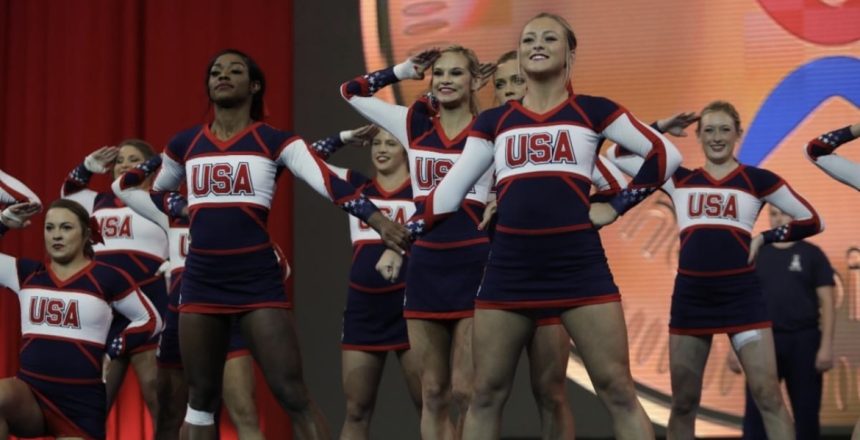
Kids are naturally active, but there is a big difference between simply being active and learning how to control movement properly. Running around, jumping, climbing, and playing all help with physical development, but structured tumbling can take those basic movements a step further.
That is one reason parents consider tumbling classes San Diego for their children.
Tumbling isn’t only about learning how to do impressive flips. A well-organized program can help children develop strength, flexibility, balance, coordination, body awareness, and confidence. Just as importantly, kids learn that skills take practice. They don’t always get something right on the first attempt, and that’s okay.
For children interested in cheerleading, these skills can also become a useful foundation for future training.
What Do Kids Actually Learn in Tumbling Classes?
Tumbling classes can include a range of movements depending on a child’s age and experience.
Beginners may start with basic body positions, rolls, balance exercises, jumps, and safe landing techniques. As they become more comfortable, they may progress toward skills such as handstands, cartwheels, walkovers, and other age-appropriate movements.
The progression matters.
A child shouldn’t be pushed into an advanced skill simply because they are excited to try it. Good instruction focuses on building the physical control needed for the next step.
That gradual process is where much of the learning happens.
Tumbling Helps Build Physical Strength
Many tumbling movements require children to support and control their own body weight.
Arms, shoulders, legs, core muscles, and other muscle groups are involved in different skills. Regular practice can help children develop functional strength and better control over their movements.
For example, holding a handstand requires more than simply kicking the legs upward. A child needs to understand body position, balance, shoulder strength, and control.
The same applies to many other tumbling skills.
Over time, those repeated movements can help children become stronger and more physically confident.
Balance and Coordination Improve With Practice
Balance isn’t something children automatically master at the same age.
Some kids pick up movement skills quickly. Others need more repetition before things start to feel natural.
Tumbling gives children opportunities to practice balance in different positions and situations.
They learn where their body is in relation to the floor, how to control momentum, and how to adjust their position when something doesn’t go exactly as planned.
That body awareness can be useful beyond the gym too.
Flexibility Is Another Important Part
Flexibility plays a role in many tumbling and cheerleading movements.
However, flexibility should be developed appropriately rather than forced.
A good class can include age-appropriate stretching and mobility work as part of the training routine. Over time, regular practice can help children become more comfortable with movements that require flexibility.
For parents, it’s worth remembering that every child develops differently.
One child may naturally be flexible while another may need more time. Progress should be measured against the child’s own development rather than compared constantly with other kids.
Tumbling Can Build Confidence in a Different Way
Confidence isn’t just about performing in front of people.
Sometimes it comes from something much simpler: a child learns a skill they previously couldn’t do.
Maybe it is their first cartwheel. Maybe they finally hold a handstand for a few seconds. Maybe they complete a movement without assistance.
Those small achievements can feel surprisingly big to a child.
They begin to understand that improvement is possible when they keep practicing.
That lesson can carry into school, sports, and other activities.
Learning to Handle Mistakes Matters
Kids will make mistakes during tumbling.
They may lose their balance. A movement may not look right. They may become frustrated when another child seems to learn something faster.
That’s normal.
One of the useful things about structured training is that children get repeated opportunities to try again in an appropriate environment.
They learn that making a mistake doesn’t necessarily mean they have failed. Sometimes it simply means they need more practice or a different approach.
Honestly, that can be one of the more valuable lessons they take away from the gym.
Tumbling Can Support Cheerleading Development
For children interested in cheerleading, tumbling can become an important part of their skill development.
Cheerleading involves much more than routines and choreography. Depending on the program and level, athletes may need strength, flexibility, body control, jumps, tumbling, timing, and the ability to work with a team.
Children attending cheerleading classes San Diego may therefore benefit from developing tumbling skills alongside their other cheer training.
The two activities can complement each other, although they are not exactly the same.
How Tumbling Connects With All Star Cheer
All star cheerleading is typically more structured and skill-focused than casual recreational cheer.
Athletes may work toward increasingly difficult tumbling, jumps, stunts, dance, and routine elements as they progress.
For children interested in all star cheer in San Diego, developing strong movement fundamentals can be useful before attempting more advanced skills.
This doesn’t mean every child needs to become an elite tumbler.
The goal is to build skills gradually and safely according to the athlete’s age and ability.
Why Proper Instruction Matters
Tumbling involves movements where technique matters.
A cartwheel or handstand may look simple when someone experienced performs it, but a beginner needs to learn how to position their hands, control their body, distribute weight, and land safely.
That is why parents should pay attention to the quality of instruction when choosing a program.
Coaches should understand progression and know when a child is ready to move to a more advanced skill.
The right environment should encourage children while still respecting their individual limits.
Finding the Right Program for Your Child
Parents searching for all star cheer gyms near me may find several options, but the closest gym isn’t automatically the best fit.
Consider what your child actually wants.
Do they want recreational activity? Are they interested in competitive cheer? Do they specifically want to improve tumbling? Are they nervous about trying something new?
The answers can help narrow down the type of program that makes sense.
It can also help to ask about class sizes, coaching experience, skill progression, age groups, and how new athletes are introduced to the program.
What Makes a Good Tumbling Environment?
Children usually learn better when they feel comfortable asking questions and making mistakes.
A good tumbling environment should feel encouraging without becoming overly competitive.
Coaches should be able to challenge athletes while still explaining why a particular skill matters and what they need to work on.
Parents should also look for an environment where safety is taken seriously.
Equipment, supervision, warm-ups, progressions, and appropriate skill selection all matter.
Tumbling Can Be Useful Even for Kids Who Don’t Want to Cheer
Not every child who takes tumbling classes will become a cheerleader.
That’s perfectly fine.
The skills developed through tumbling can be useful as a standalone athletic activity.
Children can improve coordination, strength, balance, flexibility, and body awareness without ever joining a competitive cheer team.
Some kids simply enjoy learning new movements.
For them, tumbling can be a fun physical activity that gives them something new to work toward.
How Parents Can Support Progress at Home
Parents don’t need to turn the living room into a gymnastics facility.
In fact, attempting advanced tumbling skills at home without proper supervision isn’t a good idea.
Instead, parents can support progress in simple ways.
Encourage regular attendance, listen when your child talks about what they learned, celebrate improvement, and avoid putting too much pressure on performance.
If your child is frustrated with a skill, remind them that progress isn’t always obvious from one class to the next.
Sometimes the work being done today becomes noticeable weeks later.
When Should a Child Start Tumbling?
There isn’t one universal age that works for every child.
Programs are often divided into age or ability groups so instruction can be adjusted appropriately.
A younger beginner may work on basic movement, coordination, balance, and body awareness, while an older or more experienced athlete may work on more advanced skills.
The important thing is that the class matches the child’s developmental level.
Parents should ask the gym which program is appropriate based on the child’s age and previous experience.
Tumbling and the Importance of Patience
Some skills take time.
A child may practice a movement for several weeks before it finally clicks. Another child may learn it quickly but then need additional work to make it consistent.
Neither situation is unusual.
Tumbling teaches children to focus on progress rather than instant results.
That can be particularly helpful for kids who become frustrated when they aren’t immediately good at something.
They learn that repetition has a purpose.
How Tumbling Can Complement an All Star Cheer Gym
For families exploring an all star cheer gym, tumbling may be one part of a broader athletic program.
At a facility such as Pacific Beach Allstars, families can look at how tumbling and cheer training fit together based on the child’s goals and experience.
The right program should give athletes room to improve without rushing them into skills they’re not prepared to perform.
A strong foundation tends to matter more than trying to move quickly.
Choosing a Gym With Long-Term Progress in Mind
It’s easy to choose a class based on what looks exciting right now.
But parents may want to think a little further ahead.
If your child enjoys tumbling, will the gym offer opportunities for continued development? Are there programs for different skill levels? Can the child move into cheerleading if they become interested?
A program that supports progression can be useful because your child’s interests may change over time.
A child who starts tumbling for fun might eventually become interested in all star cheer gym in San Diego programs or competitive cheer.
There’s no need to decide that on day one.
Conclusion
Tumbling classes San Diego can give children much more than a collection of gymnastics-style movements.
With appropriate instruction, kids can develop strength, flexibility, balance, coordination, body awareness, and confidence. They also learn something that isn’t always easy to teach directly: improvement takes time.
For children interested in cheerleading, tumbling can provide a useful foundation for all star cheerleading, jumps, and other athletic skills.
But even if your child never becomes a competitive cheerleader, the experience can still be worthwhile.
The best approach is to choose a program that matches the child’s age, ability, personality, and goals. Let them learn at a reasonable pace, celebrate the small wins, and give them room to enjoy the process.
That’s usually where the real confidence starts.
Frequently Asked Questions
1. Is tumbling suitable for beginners?
Yes. Beginners can start with basic movements and gradually build toward more advanced skills. A good program should place children according to their age and experience rather than expecting everyone to start at the same level.
2. Can tumbling help my child with cheerleading?
It can. Tumbling can help develop body control, strength, flexibility, balance, and movement awareness that may be useful in cheerleading. Children interested in all star cheerleading may benefit from consistent tumbling practice.
3. Does my child need to be flexible before starting tumbling?
Not necessarily. Flexibility can develop gradually through appropriate training and stretching. Children start with movements that match their current abilities and progress from there.
4. How often should kids attend tumbling classes?
That depends on the child’s age, goals, schedule, and program. Consistency is generally more useful than attending occasionally and trying to make up for missed practice with extra training.
5. Can a child take tumbling classes without joining a cheer team?
Absolutely. Tumbling can be enjoyed as its own athletic activity. A child can work on strength, coordination, balance, and movement skills without participating in competitive cheer.